Corrosion is a natural process that can gradually weaken metals when they interact with moisture, oxygen, salts, acids, or other chemically reactive environments.
In industrial facilities, pipelines, cooling systems, boilers, storage equipment, and processing machinery, uncontrolled corrosion can affect equipment reliability, operational efficiency, and service life.
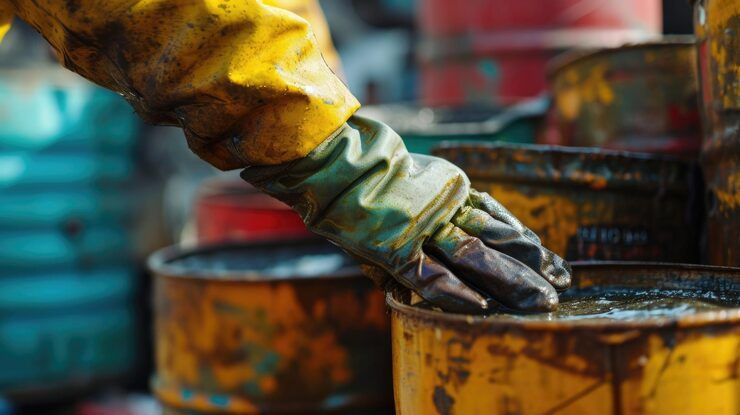
Corrosion inhibitors are one of the methods used to manage this challenge. These substances are formulated to reduce the rate of corrosion by influencing the chemical or electrochemical reactions that occur at a metal surface. However, selecting an appropriate inhibitor is not simply a matter of choosing a strong chemical. The right solution depends on the metal, operating environment, fluid chemistry, temperature, flow conditions, and the type of corrosion present.
This guide explains how corrosion inhibitors work, the major categories available, and the key factors to consider when selecting corrosion protection chemicals for different metal systems.
What Are Corrosion Inhibitors?
Corrosion inhibitors are chemical compounds added to a liquid or applied to a metal environment to reduce or control corrosion. They work through different mechanisms, including forming protective films on metal surfaces, reducing electrochemical reactions, or changing the chemical conditions that accelerate metal degradation.
The effectiveness of an inhibitor depends on how well it matches the environment in which it is used. A formulation that performs well in a closed cooling-water system may not be appropriate for an oil pipeline, industrial boiler, or acidic process environment.
For this reason, inhibitor selection should always begin with an understanding of the complete operating system rather than focusing only on the chemical itself.
Why Corrosion Control Chemicals Matter
Corrosion can affect many types of equipment and infrastructure. In industrial environments, even gradual metal degradation may eventually lead to reduced performance, unplanned maintenance, leakage, or equipment replacement.
Industrial corrosion inhibitors can support corrosion management by helping to:
- Reduce metal degradation
- Protect critical equipment
- Extend the useful life of components
- Support system reliability
- Reduce maintenance requirements
- Maintain equipment performance
- Complement other corrosion-control methods
Corrosion inhibitors are generally most effective when incorporated into a broader corrosion management program that includes material selection, monitoring, maintenance, water treatment, and environmental control.
How Corrosion Inhibitor Chemicals Work
Different corrosion inhibitor chemicals use different mechanisms to protect metal surfaces.
Film-Forming Inhibitors
These compounds create a thin protective layer on the metal surface. The film acts as a barrier between the metal and the surrounding corrosive environment.
Film-forming inhibitors are commonly considered in systems where water, hydrocarbons, or other fluids come into direct contact with metal surfaces.
Anodic Inhibitors
Anodic inhibitors reduce corrosion reactions occurring at anodic areas of a metal surface. They can help promote the formation of protective surface films under suitable conditions.
Correct concentration and system control are particularly important because inadequate inhibitor levels may not provide reliable protection.
Cathodic Inhibitors
Cathodic inhibitors reduce the reactions occurring at cathodic sites during the corrosion process. They may work by limiting the availability of reactive species or forming protective deposits on the metal surface.
Volatile Corrosion Inhibitors
Volatile corrosion inhibitors are designed to protect enclosed metal surfaces by releasing protective compounds into the surrounding atmosphere. They are often considered for equipment, packaging, and enclosed spaces where direct application is difficult.
Selecting Inhibitors for Different Metal Systems
The type of metal being protected is one of the most important considerations in corrosion inhibitor selection.
Carbon Steel
Carbon steel is widely used in industrial infrastructure but can be vulnerable to corrosion in water and chemically aggressive environments.
Selection typically depends on water chemistry, dissolved oxygen, temperature, flow rate, and the presence of salts or other contaminants. Film-forming formulations are commonly considered for certain carbon-steel applications.
Stainless Steel
Stainless steel has greater corrosion resistance than ordinary carbon steel, but it is not immune to corrosion. Chlorides, acidic environments, high temperatures, and stagnant conditions can create specific corrosion risks.
Inhibitor selection should account for the particular stainless-steel grade and the environmental conditions involved.
Copper and Copper Alloys
Copper and its alloys may experience corrosion in water systems, particularly when exposed to specific chemical conditions.
Specialized corrosion inhibitors may be used to form protective films on copper surfaces while maintaining compatibility with other metals in the same system.
Aluminum
Aluminum naturally forms a protective oxide layer, but this protection can be weakened in highly alkaline, acidic, or chloride-rich environments.
Corrosion control for aluminum requires careful attention to chemical compatibility because some inhibitor formulations may themselves affect the metal or its protective surface layer.
Mixed-Metal Systems
Many industrial systems contain several metals at the same time. For example, a cooling circuit may include carbon steel, copper alloys, stainless steel, and aluminum components.
In these situations, the selected corrosion inhibitor should provide broad compatibility without creating adverse interactions between different metals.
Key Factors in Corrosion Inhibitor Selection
Selecting appropriate corrosion protection chemicals requires evaluation of several operating conditions.
Fluid Chemistry
Water chemistry, pH, dissolved oxygen, chloride concentration, hardness, and other chemical characteristics can significantly influence corrosion behavior.
Temperature
Higher temperatures may accelerate corrosion reactions and can also change inhibitor stability or effectiveness.
Flow Conditions
High fluid velocity may increase corrosion rates or remove protective films from metal surfaces. Conversely, stagnant areas may encourage localized corrosion.
Corrosion Type
Different corrosion mechanisms require different control strategies.
Common forms include:
- General corrosion
- Pitting corrosion
- Crevice corrosion
- Galvanic corrosion
- Erosion-corrosion
- Stress corrosion cracking
- Microbiologically influenced corrosion
Understanding the specific corrosion mechanism is essential before selecting an inhibitor.
Compatibility
An inhibitor should be compatible with the metal, process fluid, seals, coatings, membranes, and other treatment chemicals present in the system.
Environmental and Regulatory Requirements
Industrial applications may have specific environmental, occupational, and regulatory requirements. The selected formulation should be evaluated according to applicable standards and site-specific regulations.
Comparing Corrosion Inhibitor Applications
| Metal or System | Main Corrosion Concern | Important Selection Considerations |
|---|---|---|
| Carbon Steel | General and localized corrosion | Water chemistry, oxygen, temperature |
| Stainless Steel | Pitting and crevice corrosion | Chlorides, grade, temperature |
| Copper Alloys | Surface corrosion and deposits | Water chemistry and compatibility |
| Aluminum | Chemical and galvanic corrosion | pH, chlorides, mixed-metal contact |
| Mixed-Metal Systems | Galvanic interactions | Broad material compatibility |
This comparison provides a starting point, but actual inhibitor selection should be based on detailed system conditions.
Corrosion Inhibitors in Industrial Applications
Industrial corrosion inhibitors are used across many sectors where metal equipment is exposed to potentially corrosive environments.
Applications may include:
- Cooling-water systems
- Boilers and steam systems
- Oil and gas infrastructure
- Pipelines
- Chemical processing equipment
- Metalworking systems
- Water treatment facilities
- Storage tanks
- Heat exchangers
Each application presents different operating conditions, making site-specific assessment important.
Monitoring and Maintaining Corrosion Control
Adding corrosion inhibitor chemicals is not always enough to maintain effective protection. System conditions can change over time, affecting inhibitor performance.
A comprehensive corrosion control program may include:
- Regular water chemistry testing
- Corrosion monitoring
- Inhibitor concentration checks
- Equipment inspections
- Deposit analysis
- Flow monitoring
- Periodic performance reviews
Monitoring helps identify changes before they develop into larger equipment problems.
Common Mistakes in Corrosion Inhibitor Selection
Several mistakes can reduce the effectiveness of corrosion protection chemicals.
One common issue is selecting an inhibitor based only on the metal type while ignoring fluid chemistry and operating conditions.
Another is using the same formulation across different systems without evaluating compatibility.
Insufficient monitoring can also create problems because changes in temperature, water chemistry, or contamination may affect performance.
Overlooking mixed-metal systems is another concern. An inhibitor that protects one metal may not provide suitable protection for every component in a complex system.
Future Trends in Corrosion Control Chemicals
Corrosion management continues to evolve as industries seek more efficient and environmentally responsible solutions.
Emerging trends include:
- More environmentally considerate inhibitor formulations
- Improved monitoring technologies
- Digital corrosion management platforms
- Real-time chemical monitoring
- Predictive maintenance systems
- Advanced surface protection technologies
- Data-driven corrosion analysis
The integration of sensors and digital monitoring may allow operators to identify corrosion risks earlier and adjust treatment strategies more precisely.
Frequently Asked Questions
What are corrosion inhibitors?
Corrosion inhibitors are chemical substances used to reduce the rate of metal corrosion by interfering with corrosive reactions or creating protective barriers on metal surfaces.
How do I choose the right corrosion inhibitor?
Selection depends on the metal type, fluid chemistry, temperature, pressure, flow conditions, corrosion mechanism, compatibility requirements, and environmental considerations.
Are corrosion inhibitors suitable for all metals?
No. Different metals respond differently to chemical environments, and an inhibitor suitable for carbon steel may not be appropriate for aluminum, copper alloys, or stainless steel.
Why is monitoring important after selecting an inhibitor?
Operating conditions can change over time. Monitoring helps confirm that the inhibitor remains effective and allows potential corrosion problems to be identified before they become more serious.
Can one inhibitor protect mixed-metal systems?
Some formulations are designed for broader material compatibility, but mixed-metal systems require careful evaluation because different metals can experience different corrosion mechanisms and galvanic interactions.
Conclusion
Corrosion inhibitors are an important part of modern corrosion management, but effective selection requires more than identifying a chemical that works with a particular metal. The surrounding environment, fluid chemistry, temperature, flow conditions, corrosion mechanism, and material compatibility all influence performance.
Industrial corrosion inhibitors and other corrosion protection chemicals are most effective when selected as part of a comprehensive corrosion control strategy. By combining appropriate chemical treatment with monitoring, inspection, maintenance, and sound material management, industries can better protect metal systems and support reliable equipment operation.
As corrosion control chemicals continue to evolve, future approaches are likely to combine improved formulations with digital monitoring, predictive analysis, and more environmentally responsible technologies. Understanding the relationship between metals, operating conditions, and inhibitor chemistry remains the foundation for making informed corrosion management decisions.