Safe drinking water is essential for health, cooking, hygiene, and everyday living.
Although municipal supplies, wells, and other water sources may undergo treatment, water quality can still vary depending on its source, distribution system, storage conditions, and local environmental factors. Drinking water systems are designed to address these concerns through different combinations of filtration, treatment, disinfection, and monitoring.
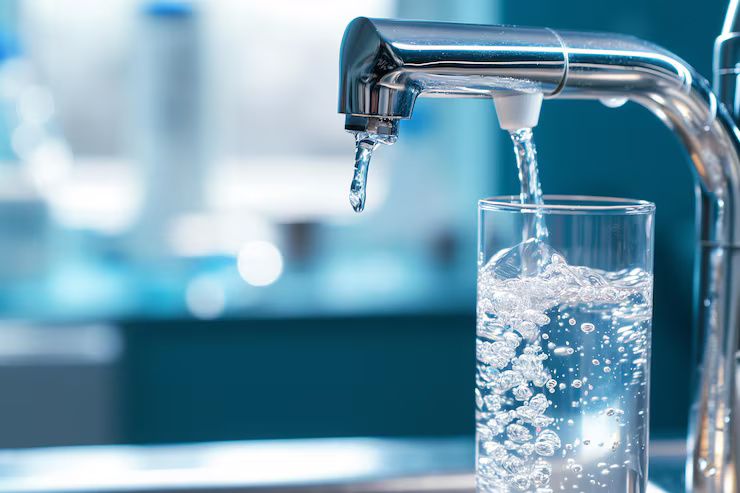
Choosing or understanding a water treatment system requires more than simply selecting a filtration device. Different technologies target different contaminants, and no single system is appropriate for every water source. Understanding how treatment methods work can help households, facilities, and organizations make informed decisions about water quality and system maintenance.
What Are Drinking Water Systems?
Drinking water systems are combinations of equipment and processes used to treat water so it is suitable for human consumption. Depending on the application, a system may remove suspended particles, microorganisms, dissolved minerals, unpleasant odors, or specific chemical contaminants.
A complete system can include several stages, such as:
- Sediment filtration
- Activated carbon filtration
- Membrane filtration
- Water softening
- Ultraviolet disinfection
- Chemical disinfection
- Mineral treatment
- Storage and distribution
The appropriate configuration depends on the original water quality, intended use, flow requirements, and contaminants that need to be addressed.
Why Water Treatment Is Important
Water can contain naturally occurring substances as well as contaminants introduced through agricultural activity, industrial processes, plumbing materials, or environmental conditions.
Potential water-quality concerns include sediment, microorganisms, dissolved metals, excessive minerals, and certain chemical compounds. Some contaminants can affect taste and appearance, while others may create more significant health concerns.
Water treatment therefore serves several purposes:
- Reducing unwanted contaminants
- Improving taste and odor
- Controlling microorganisms
- Managing hardness and mineral content
- Protecting plumbing and equipment
- Supporting consistent water quality
The first step in selecting an appropriate treatment approach is understanding what is actually present in the water.
Understanding Water Quality Before Treatment
Water testing is an important part of responsible drinking water management. Treatment should be based on the characteristics of the source rather than assumptions about water quality.
Testing may examine factors such as:
- pH
- Turbidity
- Hardness
- Microbial activity
- Dissolved minerals
- Metals
- Nitrates
- Chemical compounds
Municipal water supplies are generally treated and monitored through established public systems, while private wells and other independent sources may require additional attention from the property owner.
A water-quality assessment helps identify which treatment stages are relevant and prevents unnecessary filtration.
Common Water Filtration Methods
Filtration removes or reduces unwanted materials through physical, chemical, or biological processes. Different filters work in different ways.
Sediment Filtration
Sediment filters capture suspended particles such as sand, silt, rust, and other visible debris. They are often positioned near the beginning of a treatment system to protect later stages.
Sediment filtration is particularly useful when water contains noticeable particles or when upstream plumbing introduces particulate matter.
Activated Carbon Filtration
Activated carbon is widely used to improve taste and odor and reduce certain organic compounds and chemicals.
Carbon filtration works through adsorption, in which contaminants attach to the surface of the carbon material. Its effectiveness depends on the carbon type, system design, contact time, and characteristics of the water.
Membrane Filtration
Membrane technologies use specialized barriers to separate contaminants from water.
Depending on the membrane type, these systems can reduce particles, microorganisms, dissolved substances, and other contaminants. Reverse osmosis is one example of membrane-based treatment and is commonly used where reduction of certain dissolved substances is required.
Water Disinfection Technologies
Filtration and disinfection serve different purposes. Filtration physically or chemically removes contaminants, while disinfection is primarily intended to control microorganisms.
Ultraviolet Treatment
Ultraviolet systems expose water to UV energy that can inactivate many microorganisms when the system operates correctly.
UV treatment does not generally remove dissolved minerals, chemicals, or sediment, so it may be combined with filtration.
Chemical Disinfection
Certain water systems use disinfecting chemicals to control microorganisms throughout a treatment or distribution network. The appropriate method depends on the system design, water characteristics, and applicable requirements.
Disinfection must be carefully controlled because both insufficient treatment and inappropriate chemical levels can create problems.
Water Softeners and Mineral Management
Hard water contains elevated concentrations of minerals such as calcium and magnesium. Although hardness is not necessarily a direct safety concern, it can cause scale buildup in pipes, appliances, fixtures, and water-heating equipment.
Water softening systems commonly use ion exchange to reduce hardness minerals.
It is important to distinguish softening from purification. A water softener primarily addresses hardness rather than acting as a universal contaminant-removal system.
How a Multi-Stage Drinking Water System Works
Many drinking water systems combine several technologies because different treatment stages address different water-quality concerns.
A simplified treatment sequence might look like this:
Source water → Sediment filtration → Carbon filtration → Membrane treatment → Disinfection → Storage or distribution
The actual sequence varies according to the water source and treatment objectives.
For example, sediment filtration may protect sensitive downstream equipment, while carbon filtration can improve taste and reduce selected compounds. A membrane stage may then address dissolved substances, followed by disinfection where microbial control is required.
This layered approach allows each stage to perform a specific function rather than expecting one filter to address every possible contaminant.
Point-of-Use and Point-of-Entry Systems
Drinking water treatment systems can generally be divided into two broad categories.
Point-of-Use Systems
Point-of-use systems treat water at a specific location, such as a kitchen faucet or drinking-water dispenser. They are suitable when treatment is needed primarily for drinking and cooking.
Point-of-Entry Systems
Point-of-entry systems treat water as it enters a building. This approach can provide treated water throughout multiple fixtures and may be useful when broader water-quality concerns affect the entire property.
The right configuration depends on whether treatment is needed at one location or across the complete water distribution system.
Maintenance and Filter Replacement
A water treatment system is only as reliable as its maintenance practices.
Filters gradually accumulate captured materials, while membranes can become fouled and disinfection equipment may require inspection. Neglected maintenance can reduce treatment performance and may create additional water-quality concerns.
Routine maintenance can include:
- Replacing filters according to manufacturer guidance
- Inspecting housings and connections
- Cleaning applicable components
- Monitoring system performance
- Checking disinfection equipment
- Testing treated water when appropriate
Maintenance intervals vary considerably between systems, so following the equipment manufacturer's instructions is important.
Choosing a Drinking Water System
Selecting a treatment system should begin with the water itself rather than with a particular technology.
Consider these factors:
Water Source
Municipal water, private wells, rainwater, and other sources can have very different treatment requirements.
Contaminants of Concern
Testing can identify which substances require attention and help determine whether filtration, membrane treatment, disinfection, or another approach is appropriate.
Water Demand
Household systems and larger facilities have different flow and capacity requirements. A system should be capable of handling expected usage without reducing treatment effectiveness.
Maintenance Requirements
Every treatment technology has specific maintenance needs. Understanding these requirements is essential for long-term operation.
Certification and Technical Specifications
Where applicable, independently verified performance claims and recognized treatment standards can help users evaluate whether a system is designed to address a particular contaminant.
Common Mistakes in Water Treatment
Several misunderstandings can lead to inappropriate system selection.
One common mistake is assuming that all filters remove the same contaminants. Filtration performance varies substantially between technologies and individual products.
Another is choosing a system without testing the source water. Without knowing the water's characteristics, it can be difficult to determine which treatment stages are actually necessary.
Ignoring maintenance is another frequent problem. Even a technically appropriate system can perform poorly when filters, membranes, or other components are not maintained properly.
It is also important not to confuse improved taste or appearance with complete water purification. Clear, pleasant-tasting water is not automatically free from every potential contaminant.
Trends in Modern Drinking Water Treatment
Water treatment technology continues to develop as communities and households focus on efficiency, monitoring, sustainability, and reliable water quality.
Emerging trends include:
- Smart water-quality monitoring
- More efficient membrane technologies
- Improved sensor systems
- Reduced-water-use filtration processes
- Compact treatment equipment
- Automated maintenance alerts
- More precise contaminant monitoring
- Greater attention to energy efficiency
Digital monitoring is particularly important because it can help operators identify changes in system performance before they become significant problems.
Frequently Asked Questions
What is the purpose of a drinking water system?
A drinking water system treats water to reduce specific contaminants and improve characteristics such as safety, taste, odor, and overall quality. The treatment method depends on the source and water-quality requirements.
Is one water filter enough for every contaminant?
No. Different filtration and treatment technologies target different contaminants. A system may require multiple stages when several water-quality concerns are present.
What is the difference between filtration and disinfection?
Filtration removes or reduces contaminants through physical or chemical processes, while disinfection is primarily intended to control microorganisms. They often work together in comprehensive treatment systems.
How often should drinking water filters be replaced?
Replacement intervals vary according to filter type, water quality, usage, and manufacturer specifications. Monitoring system performance and following the applicable maintenance schedule are important.
How can I determine which water treatment system is appropriate?
Start by identifying the water source and obtaining relevant water-quality information. The results can then be used to determine which contaminants need attention and which treatment technologies are appropriate.
Conclusion
Drinking water systems combine different technologies to address the specific characteristics of a water source. Sediment filters, activated carbon, membranes, softeners, and disinfection technologies each perform distinct functions, and multi-stage systems can combine these approaches when several water-quality concerns exist.
The most effective approach begins with understanding the water rather than assuming that one filtration method can address every issue. Water testing, appropriate system design, regular maintenance, and ongoing monitoring all contribute to reliable treatment performance.
As modern drinking water technology continues to evolve, smarter monitoring, improved filtration methods, efficient membranes, and more precise treatment systems are helping make water management increasingly responsive and efficient. For households and facilities alike, understanding these fundamentals provides a practical foundation for maintaining a consistent supply of appropriately treated drinking water.