
As industrial operations continue to adopt digital technologies, the amount of data generated by machines, sensors, and production systems has grown significantly.
Traditional cloud-based processing remains valuable, but many industrial processes require immediate responses that cannot always depend on sending data to distant servers. This is where Industrial Edge Devices play an important role.
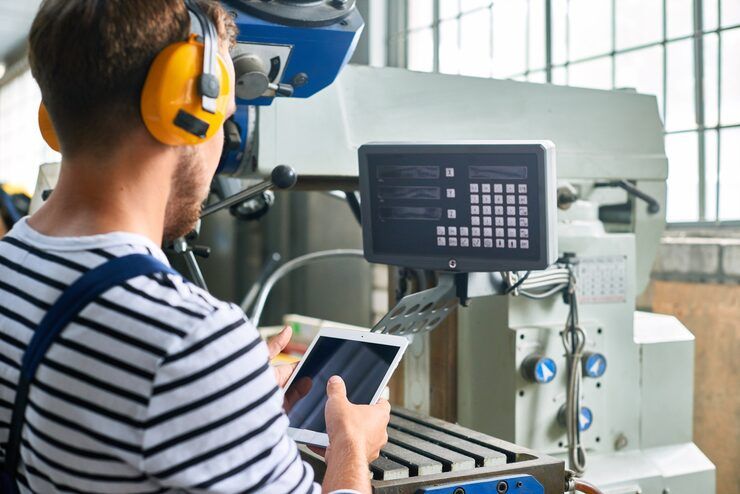
Industrial edge computing allows data to be processed closer to where it is created, enabling faster decision-making, improved operational efficiency, and more reliable system performance. Whether used in manufacturing plants, energy facilities, logistics centers, or smart infrastructure, edge technologies help organizations analyze information in real time while reducing dependence on continuous cloud communication.
This guide explains the fundamentals of Industrial Edge Devices, how Industrial Edge Computing works, common device types, practical applications, benefits, limitations, and key considerations when planning an edge computing environment.
What Are Industrial Edge Devices?
Industrial Edge Devices are specialized computing systems installed near industrial equipment to collect, process, and analyze operational data locally. Instead of sending every piece of information to a central cloud or data center, these devices perform much of the processing directly at the edge of the network.
They connect with equipment such as:
- Industrial sensors
- Programmable Logic Controllers (PLCs)
- Robotics systems
- Manufacturing machines
- Automated production lines
- Environmental monitoring systems
- Inspection equipment
By processing information close to the data source, Industrial Edge Computing helps reduce response times while supporting more efficient industrial operations.
Understanding Industrial Edge Computing
Industrial Edge Computing is a distributed computing approach that places processing power near operational equipment rather than relying entirely on centralized infrastructure.
The typical workflow includes:
- Machines and sensors generate operational data.
- Industrial Edge Devices receive the information.
- Data is filtered, analyzed, and processed locally.
- Immediate operational decisions can be made without waiting for cloud communication.
- Selected information is transmitted to cloud platforms for long-term storage, reporting, or advanced analytics.
This combination of local processing and cloud integration creates a balanced architecture that supports both real-time operations and strategic data analysis.
Why Edge Computing Is Becoming Important in Industry
Modern industrial environments generate enormous amounts of operational information every second. Processing every data point in the cloud can increase communication delays and consume additional network resources.
Industrial Edge Computing helps address these challenges by enabling:
- Faster response times
- Reduced network traffic
- Improved operational reliability
- Local decision-making
- Better support for automation
- Continuous operation during temporary network interruptions
As automation continues to expand, local computing capabilities become increasingly valuable.
Main Components of an Industrial Edge Environment
Several technologies work together to create an effective edge computing system.
Industrial Edge Devices
These devices perform local computing tasks and act as the primary processing units within industrial environments.
Their responsibilities often include:
- Data collection
- Local analytics
- Equipment monitoring
- Communication management
- Temporary data storage
Industrial Edge Gateway
An Industrial Edge Gateway acts as an intermediary between operational equipment and higher-level information systems.
Typical functions include:
- Protocol conversion
- Device communication
- Secure data transmission
- Network management
- Data filtering
Gateways help connect older industrial equipment with modern digital infrastructure.
Edge Computing Platform
An Edge Computing Platform provides the software environment needed to manage applications running on edge devices.
It commonly supports:
- Device management
- Application deployment
- Remote monitoring
- Software updates
- Security management
- Performance reporting
The platform helps administrators manage large numbers of edge devices across multiple industrial locations.
Edge AI Devices
Edge AI Devices combine local computing with artificial intelligence capabilities.
Instead of sending data to remote servers for analysis, these devices can perform AI processing directly within the industrial environment.
Common AI applications include:
- Visual inspection
- Predictive maintenance
- Quality monitoring
- Equipment anomaly detection
- Pattern recognition
Local AI processing allows faster responses to changing production conditions.
How Industrial Edge Devices Process Data
Understanding the data flow helps explain why edge computing is valuable.
| Step | Process |
|---|---|
| Data Collection | Sensors and machines generate operational information. |
| Local Processing | Edge devices analyze information immediately. |
| Decision Making | Operational actions are triggered if required. |
| Data Filtering | Only relevant information is prepared for transmission. |
| Cloud Synchronization | Selected data is transferred for long-term storage or reporting. |
This layered approach improves efficiency by reducing unnecessary data movement while maintaining access to centralized analytics.
Common Applications of Industrial Edge Computing
Industrial Edge Devices support a wide variety of operational environments.
Smart Manufacturing
Manufacturing facilities use edge computing to monitor production equipment, detect abnormalities, and improve process visibility.
Applications include:
- Machine monitoring
- Production optimization
- Automated inspection
- Equipment diagnostics
- Manufacturing analytics
Predictive Maintenance
Edge devices continuously monitor equipment performance.
They analyze indicators such as:
- Temperature
- Vibration
- Motor performance
- Pressure
- Energy usage
Detecting unusual operating patterns early helps maintenance teams investigate potential issues before they affect production.
Industrial Automation
Automated production systems require immediate responses to changing conditions.
Industrial Edge Computing supports:
- Robotic coordination
- Conveyor management
- Motion control
- Process automation
- Safety monitoring
Low processing latency is especially valuable for time-sensitive operations.
Energy and Utilities
Power generation and utility facilities generate large volumes of operational information.
Edge devices help monitor:
- Electrical systems
- Renewable energy equipment
- Distribution infrastructure
- Environmental conditions
- Remote facilities
Local processing supports faster operational awareness.
Logistics and Warehousing
Industrial edge technologies also improve warehouse operations.
Common applications include:
- Inventory tracking
- Automated sorting
- Vehicle monitoring
- Environmental control
- Asset management
These systems improve visibility throughout supply chain operations.
Benefits of Industrial Edge Devices
Organizations adopt Industrial Edge Devices because they offer several practical advantages.
Faster Response Times
Processing information locally reduces delays between data collection and operational decisions.
Lower Network Traffic
Only important information needs to be transferred to central systems, reducing communication requirements.
Improved Reliability
Industrial operations can continue processing local data even if external network connectivity is temporarily interrupted.
Enhanced Scalability
Additional edge devices can often be deployed gradually as operational requirements expand.
Better Operational Visibility
Continuous local monitoring provides operators with real-time insights into equipment performance and production conditions.
Challenges to Consider
Although Industrial Edge Computing offers many advantages, successful implementation requires careful planning.
Some common considerations include:
- Device management across multiple locations
- Software updates
- Cybersecurity planning
- Hardware maintenance
- Integration with existing industrial systems
- Long-term scalability
Addressing these areas early helps improve overall system performance.
Industrial Edge Devices and Cloud Computing
Industrial Edge Computing and cloud computing are complementary technologies rather than competing solutions.
| Industrial Edge Computing | Cloud Computing |
|---|---|
| Processes data locally | Processes data centrally |
| Supports real-time decisions | Supports large-scale analytics |
| Reduces communication delays | Stores historical information |
| Operates close to equipment | Provides centralized management |
| Handles immediate operational tasks | Supports enterprise reporting |
Many modern industrial environments use both approaches together to balance speed and long-term data analysis.
Choosing the Right Industrial Edge Solution
Every industrial operation has unique requirements.
When evaluating Edge Computing Solutions, organizations often consider:
- Equipment compatibility
- Processing requirements
- Environmental operating conditions
- Communication protocols
- Security features
- Expansion capabilities
- Software support
- Integration with existing automation systems
Selecting solutions that align with operational objectives helps improve long-term flexibility.
Future Trends in Industrial Edge Computing
Industrial Edge Computing continues to evolve alongside automation technologies.
Emerging developments include:
- More powerful Edge AI Devices
- Greater integration with Industrial Internet of Things (IIoT) systems
- Improved cybersecurity capabilities
- Advanced machine learning at the edge
- Increased use of digital twins
- Faster industrial networking technologies
- More energy-efficient edge hardware
These developments are expected to support increasingly intelligent industrial operations while maintaining efficient local data processing.
Frequently Asked Questions
What are Industrial Edge Devices?
Industrial Edge Devices are computing systems that process operational data close to industrial equipment instead of relying entirely on centralized cloud infrastructure.
What is the purpose of Industrial Edge Computing?
Industrial Edge Computing enables faster local data processing, supports real-time operational decisions, reduces network traffic, and improves system responsiveness.
What is an Industrial Edge Gateway?
An Industrial Edge Gateway connects industrial equipment with higher-level computing systems by managing communication, protocol conversion, and secure data exchange.
How do Edge AI Devices differ from traditional edge devices?
Edge AI Devices include artificial intelligence capabilities that allow them to perform tasks such as image recognition, predictive analysis, and anomaly detection directly within the industrial environment.
Can Industrial Edge Computing replace cloud computing?
No. In most industrial environments, edge computing and cloud computing work together. Edge systems manage real-time processing, while cloud platforms provide centralized storage, reporting, and advanced analytics.
Conclusion
Industrial Edge Devices are becoming an essential component of modern industrial environments by bringing computing power closer to machines, sensors, and operational equipment. Through Industrial Edge Computing, organizations can process data more efficiently, support faster decision-making, reduce communication delays, and improve the responsiveness of automated systems.
Whether implementing an Industrial Edge Gateway to connect factory equipment, deploying an Edge Computing Platform to manage distributed applications, evaluating Edge AI Devices for intelligent automation, or exploring comprehensive Edge Computing Solutions for digital transformation, understanding the fundamentals is the first step toward building a more connected and efficient industrial operation. As industrial technologies continue to evolve, edge computing will remain a key foundation for real-time analytics, smart manufacturing, and future-ready industrial infrastructure.