
Workplace safety depends on many layers of protection, including safe equipment, clear procedures, proper training, and appropriate personal protective equipment.
Among the most recognizable forms of personal protection are industrial safety helmets, which help protect workers from specific head-related hazards in construction, manufacturing, utilities, maintenance, infrastructure, and other demanding environments.
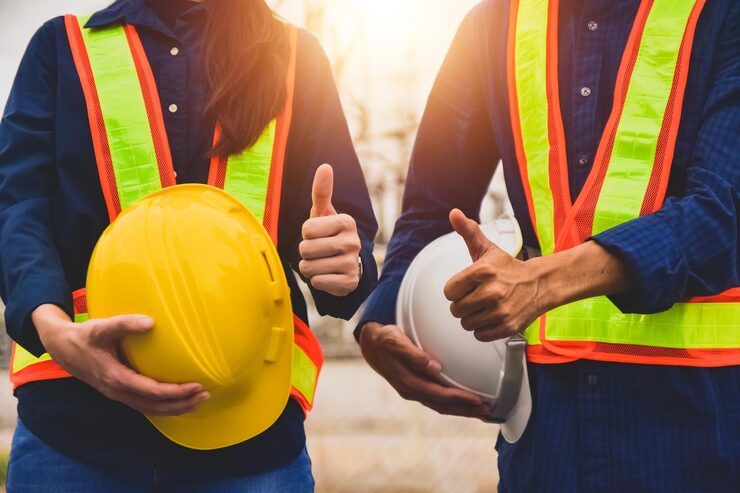
Head protection is especially important because workplaces may expose employees to falling objects, accidental impacts, electrical hazards, moving equipment, and other risks. However, a safety helmet is not a complete substitute for safe working practices. Its effectiveness depends on choosing the right type, wearing it correctly, maintaining it properly, and using it within the conditions for which it was designed.
This guide explains the fundamentals of workplace head protection, explores different types of safety helmets, discusses important features, and provides practical guidance for understanding how industrial protective helmets fit into a broader workplace safety program.
What Are Industrial Safety Helmets?
Industrial safety helmets are protective headgear designed to reduce the potential severity of certain workplace head injuries. They are commonly used in environments where workers may encounter hazards such as falling objects, impact risks, overhead work, or other conditions that require specialized head protection.
The basic structure generally includes a protective shell and an internal suspension or retention system. The shell provides a barrier against specific external hazards, while the internal components help maintain positioning and provide space between the head and the outer shell.
Depending on their design, workplace safety helmets may also include features for compatibility with accessories such as face shields, hearing protection, eye protection, or communication equipment.
The appropriate helmet depends on the specific hazards present in the working environment.
Why Workplace Head Protection Matters
Head injuries can have serious consequences, making appropriate protection an important part of occupational safety.
Workplaces may present several types of head-related hazards, including:
- Falling tools or materials
- Impact from fixed objects
- Contact with moving equipment
- Electrical exposure
- Debris generated during operations
- Limited-clearance areas
- Weather and environmental conditions
A properly selected helmet can form part of a broader risk-control strategy. However, employers should first identify and control hazards wherever possible rather than relying solely on personal protective equipment.
This approach helps ensure that protective equipment is used as one layer within a comprehensive safety system.
How Industrial Protective Helmets Work
Industrial protective helmets are designed to reduce the effect of certain hazards through a combination of structural design and energy management.
The outer shell provides a protective surface that can help distribute or resist impact forces. The suspension system creates separation between the shell and the wearer's head, helping manage energy during certain impacts.
Some designs also include chin straps or retention systems to help keep the helmet correctly positioned during movement.
The helmet's protective performance depends on several factors:
- Proper fit
- Correct adjustment
- Appropriate helmet classification
- Condition of the shell
- Condition of suspension components
- Correct use of accessories
- Compliance with applicable safety requirements
A helmet that is damaged, incorrectly adjusted, or unsuitable for the hazard may not provide the intended level of protection.
Types of Workplace Safety Helmets
Different work environments require different forms of head protection.
General Industrial Safety Helmets
These helmets are commonly used in construction, manufacturing, maintenance, and industrial environments where workers may face impact or falling-object hazards.
Their design generally emphasizes durability, fit, and compatibility with workplace requirements.
Construction Safety Helmets
Construction safety helmets are designed for environments where overhead hazards and impact risks may be present.
Modern construction helmets may incorporate retention systems and accessory attachment points to support workers who move frequently or work in challenging positions.
Electrical Protection Helmets
Some industrial environments involve potential electrical hazards. Helmets designed for these conditions may provide specific electrical protection characteristics when used within their intended applications.
Not every safety helmet is suitable for electrical work, so the relevant classification and manufacturer specifications must be carefully considered.
Specialized Industrial Helmets
Certain industries require helmets designed for particular conditions, such as work at height, confined spaces, forestry, utilities, or high-temperature environments.
These helmets may have specialized features that address the unique risks associated with the workplace.
Key Features of Safety Helmets
When evaluating safety helmets for industrial workers, several design characteristics are important.
Protective Shell
The shell forms the primary external barrier and must be appropriate for the hazards identified in the work environment.
Materials and construction vary depending on the intended application.
Suspension System
The suspension helps position the helmet correctly and creates space between the head and the outer shell.
Proper adjustment is essential because an incorrectly fitted suspension can affect comfort, stability, and protective performance.
Retention System
A retention system, such as an adjustable chin strap, can help keep the helmet securely positioned during movement or certain working conditions.
This can be particularly relevant when workers bend, climb, or operate in environments where helmets may otherwise shift.
Accessory Compatibility
Some helmets are designed to accommodate accessories such as:
- Face shields
- Hearing protection
- Safety glasses
- Headlamps
- Communication devices
Accessories should be compatible with the helmet and should not interfere with its protective function.
Choosing the Right Industrial Safety Helmet
Selecting a helmet begins with understanding the workplace rather than simply choosing a general-purpose product.
A proper selection process should consider:
Identify the Hazard
Determine whether workers face falling objects, impact hazards, electrical exposure, or other specific risks.
Consider the Work Environment
Temperature, moisture, dust, chemicals, sunlight, and other environmental factors can influence helmet selection and maintenance.
Check Applicable Requirements
Safety helmets should meet the relevant standards and requirements applicable to the workplace and region.
Assess Fit and Comfort
A helmet that fits properly is more likely to be worn consistently. Adjustable suspension systems can help accommodate different head sizes and shapes.
Consider Other PPE
The helmet should work effectively with other required personal protective equipment without creating unnecessary interference.
Safety Helmet Standards and Certification
Safety helmet standards exist to establish performance requirements for protective headgear. These requirements may address factors such as impact resistance, penetration resistance, electrical properties, and other characteristics.
The exact requirements vary depending on the jurisdiction and workplace application.
Organizations should therefore identify the standards relevant to their location and industry before selecting industrial protective helmets.
Certification markings and documentation can help verify that a helmet has been assessed against the appropriate requirements.
Proper Use of Safety Helmets
Even a well-designed helmet may provide limited protection if used incorrectly.
Workers should generally:
- Adjust the suspension for a secure fit
- Wear the helmet in the intended orientation
- Use retention systems when required
- Avoid unauthorized modifications
- Keep ventilation openings unobstructed when applicable
- Inspect the helmet before use
- Follow workplace safety procedures
Workers should also avoid placing objects between the head and suspension unless the helmet is specifically designed to accommodate them.
Inspection and Maintenance
Regular inspection is an important part of workplace head protection.
Before use, workers should check for visible signs of damage, including:
- Cracks
- Deformation
- Deep scratches
- Excessive wear
- Damaged suspension components
- Broken retention straps
- Missing parts
Cleaning should follow the manufacturer's instructions. Harsh chemicals or unsuitable cleaning methods may damage helmet materials.
Helmets should also be stored away from excessive heat, direct sunlight, and conditions that may cause material deterioration.
Replacement should follow applicable workplace requirements and manufacturer guidance, particularly when a helmet has experienced a significant impact or shows signs of damage.
Common Mistakes to Avoid
Several mistakes can reduce the effectiveness of industrial safety helmets.
Wearing the Wrong Type
A general-purpose helmet may not provide the characteristics needed for electrical or specialized hazards.
Poor Fit
A loose or improperly adjusted helmet may shift during work and fail to remain correctly positioned.
Modifying the Helmet
Drilling holes, cutting components, or making unauthorized alterations can affect protective performance.
Ignoring Damage
A helmet that appears damaged should be removed from use and assessed according to workplace procedures.
Neglecting Other Safety Controls
Head protection should not replace engineering controls, safe work procedures, hazard elimination, or employee training.
Safety Helmets for Industrial Workers: A Practical Approach
For organizations managing workplace safety, effective head protection involves more than distributing helmets.
A complete approach may include:
- Conducting a workplace hazard assessment.
- Selecting helmets appropriate for identified risks.
- Ensuring proper fit and adjustment.
- Training workers in correct use and inspection.
- Establishing procedures for cleaning and storage.
- Monitoring helmet condition.
- Replacing damaged or unsuitable equipment.
- Reviewing requirements when workplace conditions change.
This approach helps create a consistent safety culture in which protective equipment supports broader risk-management practices.
Future Trends in Industrial Head Protection
Workplace safety technology continues to develop as industries adopt more connected and intelligent equipment.
Future industrial safety helmets may increasingly incorporate:
- Integrated communication systems
- Improved impact monitoring
- Advanced lightweight materials
- Enhanced accessory integration
- Environmental sensors
- Connected worker technologies
- Improved ergonomic designs
Smart helmet technologies may provide additional information about workplace conditions or worker activity, although their usefulness depends on appropriate implementation and compatibility with established safety procedures.
The overall direction is toward protective equipment that combines safety, comfort, connectivity, and practical workplace functionality.
Frequently Asked Questions
What are industrial safety helmets used for?
Industrial safety helmets are used to help protect workers from specific workplace head hazards, including certain impact and falling-object risks. Some specialized designs may also address electrical or industry-specific hazards.
Are construction safety helmets different from general industrial helmets?
They can be. Construction environments may require helmets with features suited to overhead hazards, movement, retention, and compatibility with other protective equipment. The correct choice depends on the identified workplace hazards and applicable requirements.
How often should a safety helmet be replaced?
Replacement schedules vary according to the helmet's condition, manufacturer guidance, workplace procedures, and applicable requirements. A helmet should be evaluated immediately after a significant impact or when visible damage is identified.
Can a safety helmet be modified?
Unauthorized modifications should generally be avoided because changes may affect the helmet's protective characteristics. Any approved accessories or alterations should be compatible with the helmet's intended design.
What should workers check before wearing a safety helmet?
Workers should check the shell, suspension, retention system, and other components for damage, excessive wear, or missing parts. They should also ensure the helmet is correctly adjusted and appropriate for the hazards of the task.
Conclusion
Industrial safety helmets are an important component of workplace head protection across construction, manufacturing, utilities, infrastructure, and other industrial environments. Their effectiveness depends on selecting the appropriate type, ensuring proper fit, following applicable safety requirements, and maintaining the equipment in good condition.
Construction safety helmets, workplace safety helmets, and other industrial protective helmets are most effective when integrated into a broader safety program that includes hazard assessment, engineering controls, safe work procedures, and worker training. By treating head protection as part of a complete risk-management strategy, organizations can create safer working environments while helping employees understand the importance of using protective equipment correctly and consistently.