
Pests are a common concern in homes, businesses, warehouses, food facilities, and industrial environments.
Insects and rodents can enter buildings in search of food, water, shelter, or suitable conditions for reproduction. When populations increase, they may contaminate food, damage property, affect hygiene, or create uncomfortable living and working conditions.
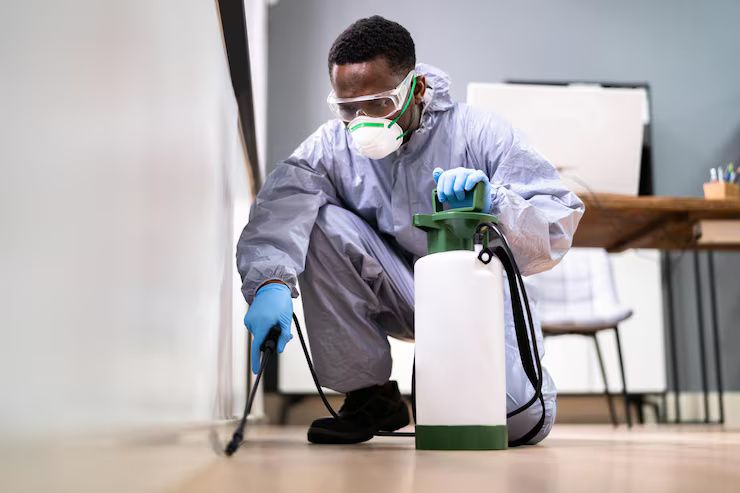
Effective pest control is not simply about eliminating visible insects or rodents. A reliable approach involves identifying the pest correctly, understanding why it is present, removing conditions that attract it, and using appropriate control methods. Modern pest management increasingly focuses on prevention, monitoring, sanitation, and targeted interventions rather than relying only on routine chemical applications.
This guide explains the fundamentals of pest control, common household pests, prevention strategies, and the differences between residential, commercial, professional, and industrial pest management.
What Is Pest Control?
Pest control refers to the identification, prevention, monitoring, and management of organisms that negatively affect people, property, food, crops, or business operations.
Common pests include:
- Ants
- Cockroaches
- Termites
- Mosquitoes
- Flies
- Bed bugs
- Rodents
- Wasps
- Spiders
- Stored-product insects
The appropriate management method depends on the species, level of infestation, location, building conditions, and potential health or property risks.
Modern pest management often follows an integrated approach that combines environmental improvements, physical barriers, sanitation, monitoring, and carefully selected control methods.
Why Pest Control Is Important
Pests can create different types of problems depending on the species and environment.
Some may contaminate food or surfaces, while others can damage structures, electrical wiring, insulation, furniture, or stored materials. Certain pests may also contribute to the spread of disease or trigger allergic reactions.
Effective pest management helps protect:
- Indoor hygiene
- Food safety
- Building structures
- Stored materials
- Workplace environments
- Residential comfort
- Business continuity
Early identification is particularly important because small pest problems can become more difficult to manage when populations grow.
Common Household Pests
Different pests require different management strategies. Understanding their behavior is the first step toward effective control.
Cockroaches
Cockroaches are attracted to food residue, moisture, warmth, and sheltered spaces. They often hide in kitchens, bathrooms, drains, wall voids, and other areas with favorable conditions.
Reducing food debris, repairing water leaks, improving sanitation, and sealing entry points can help limit their presence.
Ants
Ants often enter buildings while searching for food and water. Cracks around windows, doors, foundations, and utility openings can provide access.
Removing food sources and identifying entry routes can help reduce recurring activity.
Termites
Termites feed on cellulose-based materials and can cause structural damage when infestations remain unmanaged for extended periods.
Signs may include damaged wood, discarded wings, mud tubes, or hollow-sounding timber. Professional inspection is often important when termite activity is suspected.
Rodents
Mice and rats can enter buildings through surprisingly small openings. They may contaminate food, damage insulation, and chew electrical wiring.
Effective rodent management combines sanitation, exclusion, monitoring, and population control.
Bed Bugs
Bed bugs are small insects that feed on blood and commonly hide in mattresses, bed frames, furniture, and cracks.
They can spread through travel, used furniture, clothing, and personal belongings. Managing an infestation often requires careful inspection and coordinated treatment of affected areas.
Mosquitoes
Mosquitoes require standing water for breeding. Removing stagnant water from containers, drains, gutters, and outdoor areas can help reduce breeding opportunities.
Residential Pest Control Strategies
Residential pest control focuses on protecting homes and maintaining comfortable living environments.
Prevention begins with basic property maintenance.
Helpful practices include:
- Keeping food in sealed containers
- Cleaning spills promptly
- Maintaining dry and well-ventilated areas
- Repairing plumbing leaks
- Sealing cracks and openings
- Maintaining window screens
- Removing household waste regularly
- Keeping outdoor vegetation managed
If pest activity continues despite preventive measures, professional inspection can help identify hidden entry points, nesting areas, or environmental conditions contributing to the problem.
Commercial Pest Control Considerations
Commercial properties often face more complex pest management requirements because they may have larger spaces, higher foot traffic, food-handling areas, or strict hygiene expectations.
Commercial pest control may be relevant to:
- Restaurants
- Hotels
- Retail stores
- Offices
- Schools
- Warehouses
- Healthcare facilities
- Food processing locations
A structured program typically includes regular inspections, monitoring, documentation, sanitation assessments, and targeted corrective measures.
The goal is not only to respond to visible pest activity but also to identify conditions that could encourage future infestations.
Professional Pest Control Approaches
Professional pest control generally begins with an inspection and identification process.
A qualified technician may evaluate:
- Pest species
- Infestation level
- Entry points
- Food and water sources
- Nesting locations
- Structural conditions
- Environmental factors
After assessment, a management plan can be developed around the specific circumstances.
Depending on the situation, professional pest management may involve physical exclusion, traps, monitoring devices, biological approaches, or carefully selected pest-control products used according to applicable safety requirements.
Industrial Pest Control
Industrial environments require specialized pest management because of their scale, operational complexity, and potential impact on production.
Industrial pest control may be relevant to:
- Manufacturing facilities
- Food production plants
- Distribution centers
- Storage warehouses
- Agricultural facilities
- Processing sites
These environments often require detailed monitoring programs and documented procedures.
Pest management in industrial settings may focus on preventing contamination, protecting raw materials, maintaining hygiene standards, and reducing disruptions to production.
Integrated Pest Management
Integrated Pest Management, commonly known as IPM, is a systematic approach that combines several pest management techniques.
The process generally involves:
Inspection
The first step is identifying the pest and understanding the conditions that support its presence.
Monitoring
Regular observation helps determine whether pest activity is increasing, decreasing, or remaining stable.
Prevention
Environmental conditions are modified to make the location less attractive to pests.
Targeted Control
When intervention is necessary, appropriate methods are selected based on the pest and circumstances.
Evaluation
The results are reviewed to determine whether additional action is necessary.
IPM emphasizes prevention and informed decision-making rather than unnecessary or excessive treatment.
Comparing Pest Control Approaches
| Approach | Primary Focus | Typical Application |
|---|---|---|
| Preventive Pest Management | Reduce pest attraction | Homes and businesses |
| Residential Pest Control | Protect living spaces | Houses and apartments |
| Commercial Pest Control | Maintain workplace hygiene | Offices and retail properties |
| Professional Pest Control | Specialized assessment | Complex or persistent infestations |
| Industrial Pest Control | Protect operations and materials | Factories and warehouses |
The appropriate approach depends on the building type, pest species, environmental conditions, and level of activity.
Common Pest Control Mistakes
Several mistakes can make pest problems more difficult to manage.
Treating Only Visible Pests
Seeing a few insects does not always indicate the full extent of an infestation. Hidden nests, breeding areas, or entry points may remain undetected.
Ignoring Moisture Problems
Leaking pipes, damp areas, and standing water can attract many pest species.
Leaving Food Accessible
Open food containers, crumbs, and improperly stored waste can encourage pest activity.
Delaying Inspection
Small problems can become more established over time. Early identification often makes management more straightforward.
Using Control Methods Without Identification
Different pests respond differently to management techniques. Correct identification should come before selecting an intervention.
How to Prevent Future Pest Problems
Long-term prevention depends on maintaining an environment that is less attractive and accessible to pests.
Important preventive steps include:
- Seal gaps around doors and windows
- Repair damaged screens
- Keep food properly stored
- Clean kitchen surfaces regularly
- Remove standing water
- Maintain drainage systems
- Inspect stored materials
- Keep storage areas organized
- Dispose of waste appropriately
- Monitor for early signs of pest activity
Regular inspections can also identify developing problems before they become widespread.
Frequently Asked Questions
What is the main purpose of pest control?
The main purpose of pest control is to prevent, manage, or reduce unwanted pest activity while protecting people, property, food, and the surrounding environment.
When should professional pest control be considered?
Professional pest control may be appropriate when an infestation is persistent, difficult to identify, widespread, or associated with structural damage or significant hygiene concerns.
How does residential pest control differ from commercial pest control?
Residential pest control focuses primarily on homes and living spaces, while commercial pest control often involves larger facilities, scheduled monitoring, documentation, and specific hygiene requirements.
What is Integrated Pest Management?
Integrated Pest Management is a structured approach that combines inspection, monitoring, prevention, and targeted control methods based on the specific pest situation.
How can homeowners prevent common household pests?
Keeping food sealed, maintaining cleanliness, repairing leaks, eliminating standing water, sealing entry points, and monitoring early signs of activity can help reduce the likelihood of pest problems.
Conclusion
Effective pest control begins with understanding why pests enter a particular environment and identifying the conditions that allow them to survive and reproduce. Whether managing insects in a home, rodents in a commercial property, or contamination risks in an industrial facility, prevention and early detection are essential parts of long-term pest management.
Residential pest control, commercial pest control, professional pest control, and industrial pest control each address different environmental and operational needs. By combining sanitation, maintenance, monitoring, exclusion, and carefully selected management techniques, property owners and organizations can create cleaner, safer, and more comfortable environments while reducing the likelihood of recurring pest problems.