
Solitaire engagement rings have remained a recognizable choice because their design places visual attention on one central gemstone.
Instead of surrounding the main stone with multiple prominent diamonds, a solitaire typically uses a single center stone held by a carefully designed setting. This straightforward structure makes the ring easy to understand while leaving plenty of room for variation in diamond shape, metal, setting style, and overall proportions.
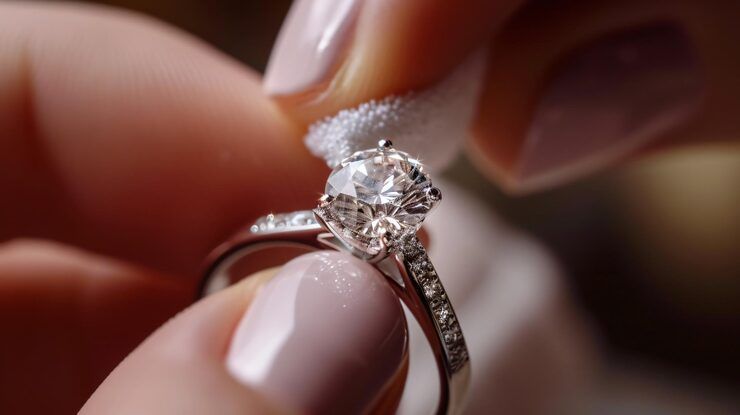
Understanding these elements can make it easier to compare different solitaire designs and identify the features that matter most for personal preferences. From classic round diamonds to elongated oval and pear shapes, solitaire engagement rings can look remarkably different even when they follow the same basic design principle.
What Are Solitaire Engagement Rings?
A solitaire engagement ring is a ring designed around one principal gemstone. The center stone is usually a diamond, although other gemstones can also be used. The absence of a prominent group of surrounding stones creates a simple visual arrangement in which the center gemstone becomes the primary focal point.
Solitaire diamond rings are particularly associated with traditional engagement-ring designs. Their structure can range from highly traditional to contemporary, depending on the stone shape, metal, band profile, and setting.
A solitaire design generally consists of three important components:
- The center gemstone
- The setting that holds the gemstone
- The band that supports the overall design
Each component affects the ring's appearance, comfort, durability, and visual balance.
Understanding Diamond Shapes
Diamond shape is one of the most noticeable characteristics of a solitaire ring. Shape refers to the overall outline of the stone, while the cut describes how its facets are arranged to interact with light. These terms are related but should not be treated as interchangeable.
Round Brilliant
The round brilliant is one of the most recognizable diamond shapes. Its symmetrical outline and faceting pattern are designed to produce strong interaction with light. A round center stone works naturally with many solitaire settings and is frequently associated with the classic solitaire engagement ring.
Oval
Oval diamonds combine a rounded outline with an elongated profile. Their shape can create a visually extended appearance across the finger while maintaining a soft, traditional character.
Princess
The princess shape has a square or rectangular outline with pointed corners. It provides a more geometric appearance and can give a solitaire ring a distinctly modern character.
Emerald
Emerald-shaped diamonds have a rectangular outline with step-cut facets. Instead of emphasizing numerous flashes, this style can highlight the stone's clarity and broad, mirror-like reflections.
Cushion
Cushion-shaped diamonds generally have rounded corners and a square or rectangular outline. Their softer geometry can provide a balance between traditional and contemporary aesthetics.
Pear
Pear-shaped diamonds combine rounded and pointed ends. When positioned thoughtfully, the shape can create a graceful directional appearance and may visually lengthen the finger.
Marquise
Marquise diamonds have pointed ends and an elongated outline. Their distinctive silhouette can create a dramatic appearance while remaining suitable for a relatively simple solitaire structure.
Solitaire Ring Settings Explained
The setting determines how the center gemstone is positioned and secured. It also has a major influence on how much of the gemstone is visible.
Prong Setting
Prongs are small metal supports that extend around the gemstone. A four-prong setting can provide a relatively open appearance, while six prongs can provide additional points of support around a round or similarly shaped stone.
The number and placement of prongs should correspond to the gemstone's shape and structural characteristics.
Bezel Setting
A bezel setting surrounds the gemstone's perimeter with a metal rim. This creates a clean outline and can provide substantial protection around the edges of the stone.
Bezel solitaire designs often have a contemporary appearance, although variations can be created through different metal finishes and band profiles.
Cathedral Setting
A cathedral setting uses raised metal shoulders that curve or rise toward the center gemstone. This can create additional visual height while giving the ring a more architectural appearance.
Because the center stone sits higher, the ring's profile should be considered alongside everyday comfort and compatibility with other rings.
Tension-Style Designs
Tension-style designs use carefully engineered metal structures to hold the gemstone in position. They can create an appearance in which the center stone seems to float above the band. These designs require precise construction because the gemstone and setting must work together structurally.
Choosing the Right Metal
The metal surrounding a gemstone contributes to the ring's color, appearance, durability, and maintenance requirements.
Platinum
Platinum is naturally white and is known for its density and durability. It can provide a substantial feel and works well with diamonds and other colorless gemstones.
White Gold
White gold has a bright, silvery appearance and is commonly used for contemporary engagement-ring designs. Its surface treatment can affect its appearance over time, so maintenance requirements should be considered.
Yellow Gold
Yellow gold provides a warm, traditional appearance. It creates a noticeable contrast with a colorless diamond and can also complement diamonds with warmer visual characteristics.
Rose Gold
Rose gold receives its characteristic color from the balance of gold and other metals in the alloy. Its pinkish tone gives solitaire ring styles a softer and more distinctive appearance.
The choice between metals is primarily a matter of appearance, durability preferences, lifestyle considerations, and compatibility with existing jewelry.
How Proportions Affect Solitaire Ring Styles
Two rings can use identical diamond shapes yet look completely different because of their proportions. Band width, gemstone size, setting height, prong design, and shoulder shape all influence the final appearance.
A narrow band can make the center stone appear more prominent, while a wider band can create a stronger visual foundation. A low-profile setting can provide a streamlined appearance and may be convenient for people who frequently use their hands. A higher setting can provide additional visual height but may require greater awareness during everyday activities.
The relationship between the gemstone and band is therefore just as important as the individual components.
Classic and Contemporary Solitaire Designs
A classic solitaire usually emphasizes symmetry, simplicity, and a traditional center-stone presentation. A round diamond with a simple prong setting and polished metal band is a familiar example.
Contemporary solitaire designs may introduce unusual proportions, sculptural bands, bezel settings, mixed metals, or less conventional gemstone shapes. The basic solitaire concept remains unchanged, but the design language becomes more individual.
Luxury solitaire engagement rings can also incorporate detailed craftsmanship, distinctive metal combinations, unusual setting structures, or exceptionally refined proportions without relying on a large number of surrounding gemstones.
Practical Considerations Before Choosing a Design
Appearance is only one part of evaluating a solitaire ring. Everyday use should also be considered.
First, examine how securely the gemstone is held. Prongs, bezels, and other structural elements should be appropriately designed for the selected stone.
Second, consider the ring's height. A high-set gemstone may have a more prominent profile, while a lower setting may feel more practical for frequent daily wear.
Third, consider the band width and finger proportions. A balanced relationship between the center gemstone and band generally produces a more cohesive appearance.
Finally, think about maintenance. Any ring can accumulate dust, oils, and residue during normal use. Regular inspection and appropriate cleaning can help preserve its appearance and identify loose or damaged components before they become more significant concerns.
Frequently Asked Questions About Solitaire Engagement Rings
Is a solitaire ring only suitable for diamonds?
No. Although diamonds are strongly associated with solitaire engagement rings, the design can also feature gemstones such as sapphires, rubies, or other suitable stones.
What is the most recognizable solitaire shape?
The round brilliant is one of the most recognizable choices, particularly in traditional solitaire designs. However, oval, cushion, princess, emerald, pear, and marquise shapes provide many alternatives.
Does the setting affect the appearance of the gemstone?
Yes. A prong setting can expose more of the gemstone, while a bezel surrounds its edge with metal. Setting height and structure also influence how the center stone appears from different angles.
Are solitaire rings suitable for everyday wear?
They can be, provided the design is appropriate for the wearer's lifestyle and the gemstone is securely mounted. The setting height, band structure, gemstone characteristics, and maintenance routine should all be considered.
Final Thoughts
Solitaire engagement rings are built around a simple concept: one central gemstone serves as the primary visual focus. Within that framework, there are many possibilities involving diamond shapes, settings, metals, proportions, and design details.
Understanding these elements makes it easier to distinguish between different solitaire diamond rings and recognize why particular designs have different appearances. Whether the preference is a classic solitaire engagement ring with traditional proportions or a contemporary design with distinctive details, focusing on gemstone shape, setting structure, metal selection, comfort, and long-term practicality provides a useful foundation for making an informed choice.